

Foot Recovery After a 10-Day Hunt: The Protocol That Actually Works

You’re back at the truck. Ten days in. The elk is tagged, the meat is packed out, and your feet — your poor, loyal, completely wrecked feet — have just carried you somewhere between 80 and 120 miles through some of the most demanding terrain in North America.
The moment those boots come off, you’ll understand why the Bowen family (founders of SheepFeet) always said your first connection to the hunt is your feet to the ground. Caleb’s dad spent 40 years building orthotics for hunters, and the constant theme he heard was the same: “I don’t care about anything else right now. My feet are done.”
Here’s the recovery protocol that gets you from “completely done” back to full strength — and what to set up differently so the next 10-day hunt doesn’t end the same way.
What 10 Days Actually Does to Your Feet
A 10-day backcountry elk hunt typically involves 8 to 12 miles of hiking per day, significant elevation change, pack weights ranging from 30 to 80+ pounds on pack-out days, and almost no genuine rest for your feet between sessions. Here’s what accumulates over that window:
-
Plantar fascia stress. The plantar fascia absorbs a portion of every single step. Over 10 days of sustained mountain hiking, the cumulative micro-trauma in the fascia tissue builds well beyond what normal overnight recovery can offset. This is why feet that felt manageable on day seven feel destroyed by day ten — the damage is compounding, not resetting each morning.
-
Calf and Achilles fatigue. Descending loaded puts enormous eccentric demand on the calf and Achilles. By the end of a long hunt, most hunters have significant tightness and residual soreness throughout the lower leg that doesn’t respond to normal overnight rest.
-
Skin breakdown. Ten days of friction, moisture, and pressure produces blisters, hot spots, and callus formation that may look minor but create real infection risk if not treated properly post-hunt.
-
Swelling. Feet swell during sustained activity and can retain fluid for days after. This is normal, but it’s also a signal that your lymphatic and circulatory systems are still clearing the load of the past week and a half.
- Joint and tendon inflammation. Ankle joints, subtalar joints, and the tendons of the lower foot are often mildly inflamed after a long hunt — not injured, but operating in a stressed state that needs specific conditions to resolve.

|
“After years of coming home after backcountry hunts needing to soak my feet in ice water to ease the pain I finally found something that works! Multiple miles this year with over 150 lbs on my back — the only thing that didn’t hurt was my feet! Plantar foot and general pain no more.” — Anonymous, Verified SheepFeet Customer |
The Day-by-Day Recovery Protocol
Recovery isn’t just rest. The way you treat your feet in the 72 hours after returning from a long hunt has a significant impact on how quickly they return to full function — and whether minor issues become nagging problems that carry into your next season.
|
Day 1 (the day you get back) — Get the Blood Moving and Assess the Damage
|
|
Days 2–3 — Active Recovery — Keep Circulation Moving
|
|
Days 4–7 — Tissue Repair — Let the Adaptation Happen
|
|
Week 2+ — Return to Normal — And Start Planning for Next Season
|
When Post-Hunt Foot Pain Is More Than Normal Soreness
Most post-hunt foot pain is normal physiology and resolves with rest, elevation, and proper care in the first week. These are the warning signs that what you’re dealing with is more than fatigue:
- Pain that is focal (concentrated at one specific point) rather than diffuse and general, and doesn’t improve after 3–5 days of rest — especially along the shin bone or at the heel
- Significant swelling that is not improving after 48–72 hours of elevation and icing
- Any blisters or open areas showing signs of infection: increasing redness spreading outward from the wound, warmth, discharge, or fever
- Numbness, tingling, or sharp radiating pain that wasn’t present before the hunt
- Pain that is severe enough to make normal walking difficult after the first 48 hours of rest
If you’re experiencing any of the above, see a medical professional before self-treating further. A stress fracture, infected blister, or developing tendon injury left untreated will set you back far longer than addressing it early.
Shin Splints from Hiking: Prevention & Treatment
What to Do Differently on the Next Hunt
The single most consistent theme Caleb hears from hunters who try SheepFeet orthotics for the first time: “I can’t believe I didn’t do this sooner.” Not because they’re the flashiest gear in the truck. Because they’re the piece that determines whether your feet carry you through ten days in the backcountry — or whether your feet are the reason the hunt ends early.
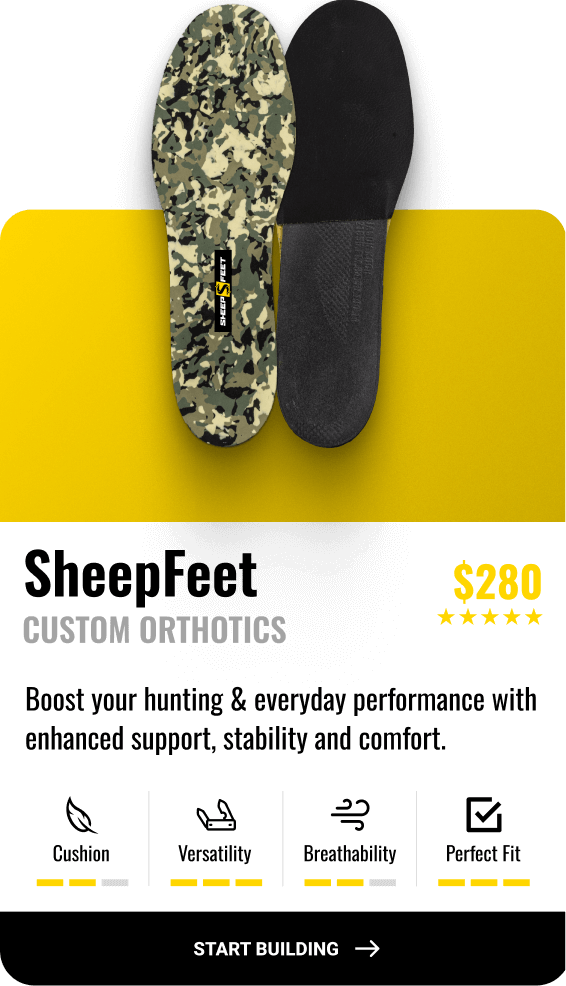
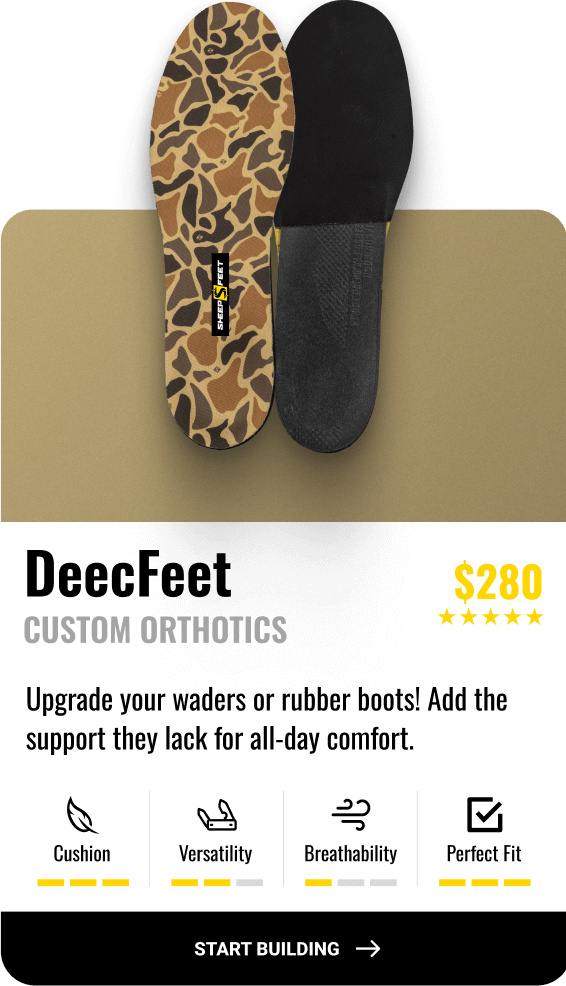
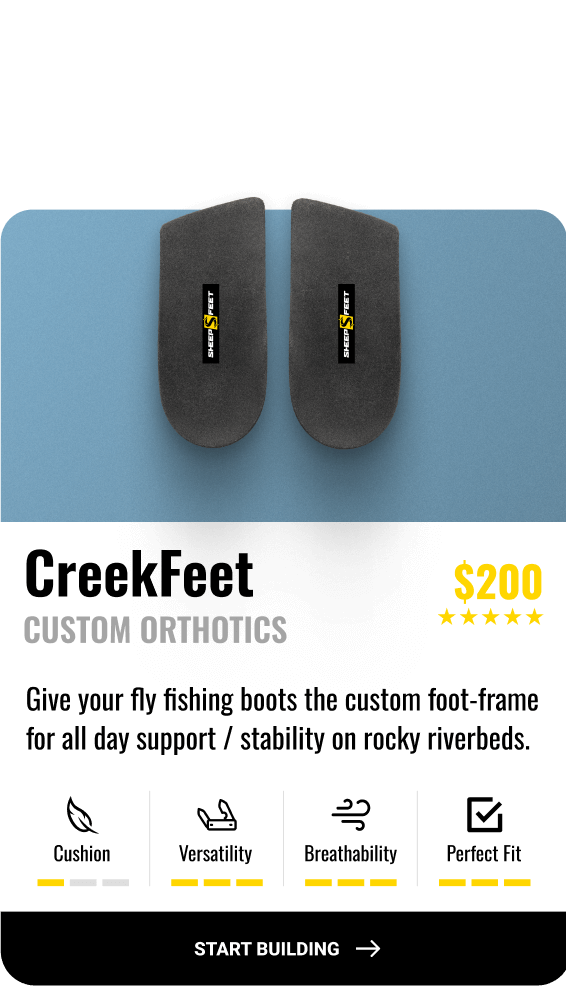
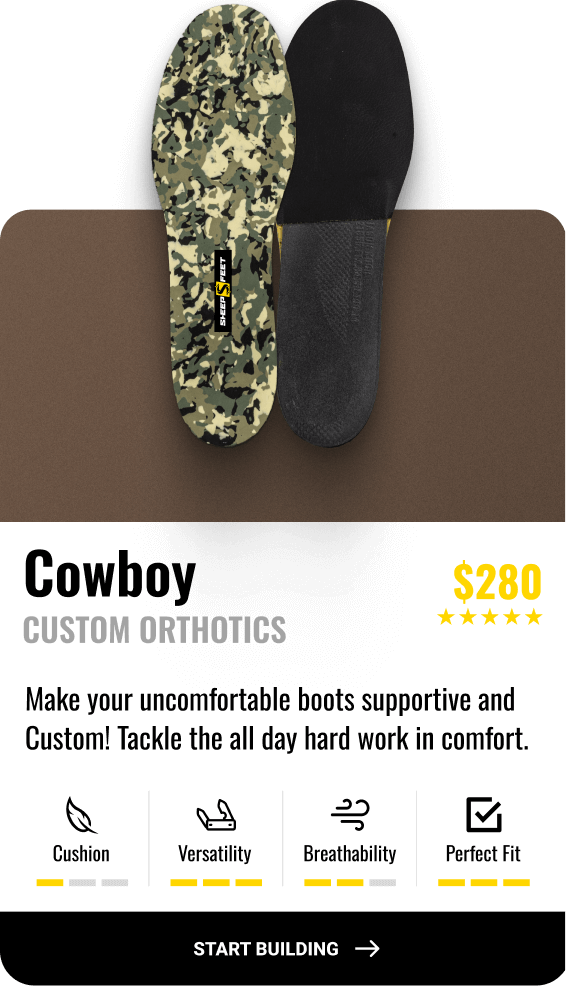
SheepFeet custom orthotics are built from a 3D scan of your specific foot using CastDAR technology in the SheepFeet iPhone app, or an Impression Kit if you don’t have an iPhone. The support is built to your exact arch height and heel geometry — not a population average. That means your plantar fascia isn’t compensating for missing arch support across every mile. Your heel isn’t rolling inward on every downhill step. And by day ten, your feet have been held in the right position for 80 to 120 miles instead of grinding through misaligned loading the whole way.
HSA and FSA eligible. Satisfaction guarantee. Free adjustments until they’re right. Made in the USA.
How the SheepFeet Fitting Process Works

Your Feet Carried You Through Ten Days. Return the Favor.
Get fitted for SheepFeet custom orthotics in the off-season — so next hunt, your feet feel like day one on day ten.
SHOP SHEEPFEET CUSTOM ORTHOTICS →
Frequently Asked Questions
How long does foot recovery take after a 10-day backcountry hunt?
Most hunters feel significantly better within 3 to 5 days of rest. General soreness resolves in 48 to 72 hours with proper care. Blisters heal in 3 to 7 days. More significant issues like plantar fasciitis flare-ups or shin splint soreness can take 2 to 4 weeks to fully resolve. The timeline shortens considerably when in-field foot care was proactive and when proper structural support prevented the most severe loading damage during the hunt.
Why are my feet so sore after a long hunting trip?
Post-hunt foot soreness is the result of cumulative mechanical stress — the total load of miles, elevation, pack weight, and uneven terrain over many consecutive days. Your plantar fascia, Achilles tendon, calf muscles, and foot stabilizers absorb thousands of loading cycles per day. Over 10 days of sustained demand without full recovery between sessions, damage compounds to a level that rest alone during the trip can’t fully offset. This is normal physiology after a demanding hunt, not an injury in most cases.
Should I drain blisters after a hunting trip?
For large, painful blisters in high-pressure areas like the heel or ball of the foot, careful draining reduces pressure and pain. Sterilize a needle, pierce at the lowest edge, drain gently, leave the overlying skin intact as a protective layer, apply antibiotic ointment, and cover with moleskin. Small blisters that aren’t causing significant pain are generally better left alone. Never remove the blister roof — the skin underneath hasn’t fully formed and the overlying skin protects against infection.
How do I reduce foot swelling after a long hunt?
The most effective methods are elevation (feet above heart level for 20 to 30 minutes, multiple times in the first 24 to 48 hours), cold water soaking or ice (15 to 20 minutes at a time), and rest from significant weight-bearing activity. Contrast therapy — alternating warm and cold soaks — improves circulation and accelerates fluid clearance. Compression socks during the drive home can help prevent swelling from worsening.
How can I prevent severe foot soreness on my next long hunt?
The most effective prevention strategies are proper structural support throughout the hunt via custom orthotics fitted to your exact foot, proactive in-field care including daily blister checks and elevation at camp, building a pre-season training base that matches your expected hunting mileage, and managing pack weight relative to your conditioning. Hunters who enter the field with custom orthotics consistently report dramatically less end-of-trip soreness than those relying on factory insoles and reactive treatment.
The Bottom Line
Your feet just did something remarkable. Ten days in the backcountry, loaded, on technical terrain, in weather, day after day without complaint. They deserve a proper recovery — not just kicked off at the truck and ignored until opening day rolls around again.
Treat the first 72 hours deliberately. Keep the tissue moving with elevation and cold therapy. Address the blisters now so they don’t become problems later. And when you’re healed up and thinking about next season, ask yourself one honest question: are the insoles in your boots actually built for what you’re asking your feet to do?
Next Hunt, Your Feet Shouldn’t Be the Limiting Factor.
SheepFeet custom orthotics. Built to your exact foot. Made in the USA. HSA/FSA eligible.
SHOP SHEEPFEET CUSTOM ORTHOTICS →

