

Foot Pain for Healthcare Workers: Cause and Fix

Foot pain is the most common physical complaint among healthcare workers. It affects nurses, physicians, surgeons, pharmacists, physical therapists, and every other clinical role that requires hours of standing and walking on hard floors. Across most healthcare settings, it's treated as a professional hazard -- something you accept along with the job.
It isn't. Foot pain in healthcare workers is a predictable mechanical problem with a predictable structural solution. Understanding the cause -- specifically, why clinical work creates foot pain when a desk job doesn't -- is the first step toward fixing it.
This article covers the biomechanics of clinical foot pain, what separates the people who develop chronic conditions from those who don't, and what actually works as a long-term fix for healthcare professionals.
Why Healthcare Work Causes Foot Pain: The Specific Mechanism
Healthcare workers develop foot pain through a specific mechanism that differs from general occupational fatigue. Understanding it matters because the treatment depends on the cause -- and the cause in clinical work is structural, not just cumulative.
The Hard Floor Problem
Clinical environments -- hospitals, clinics, emergency departments, operating rooms -- are built on sealed concrete, ceramic tile, and linoleum. These surfaces have no give. Every step transfers the full impact force to your foot with zero surface absorption. Over an 8-12 hour shift covering 4-8 miles, this adds up to an enormous cumulative load on the plantar fascia and heel.
The Arch Support Deficit
The plantar fascia is a thick band of connective tissue running from the heel to the base of the toes. Its job is to support the arch and absorb shock on each step. When the insole inside your clinical shoe fails to provide adequate arch support, the plantar fascia takes on the support role that the insole should be performing. Under clinical shift conditions -- hard floors, long duration, no recovery breaks -- this additional load eventually creates micro-tears and inflammation: plantar fasciitis.
The Individual Fit Gap
Generic insoles -- including quality over-the-counter options -- are designed for a statistical average foot. If your specific arch height, heel width, and gait mechanics don't match the insole's design assumptions, the support is misplaced. Under normal conditions, this mismatch causes mild discomfort. Under clinical shift conditions, it causes chronic plantar fasciitis, arch collapse, and the knee and hip pain that follows when gait compensation sets in.
The Consecutive Shift Pattern
Many healthcare workers run 3-4 consecutive shifts of 10-12 hours per week. The plantar fascia needs 24-48 hours to recover from heavy loading. Working back-to-back shifts means the tissue is loaded again before it has recovered from the previous session. This compounding pattern is why foot pain in healthcare workers develops progressively -- and why it doesn't fully resolve on days off without treating the structural cause.
The Footwear Compromise
Clinical footwear prioritizes infection control, slip resistance, and ease of cleaning. These priorities rarely align with biomechanical support. Most nursing clogs, clinical shoes, and even athletic shoes marketed to healthcare workers ship with generic foam insoles designed to meet a cost target -- not to support a foot through a 12-hour shift on concrete.
Who Develops Foot Pain in Healthcare -- and Who Doesn't
Not every healthcare worker develops chronic foot pain. The difference usually comes down to three factors:
|
Factor |
Higher Risk |
Lower Risk |
|---|---|---|
|
Insole type |
Factory or generic foam |
Custom orthotic fitted to their foot |
|
Shift pattern |
3-4 consecutive 12-hour shifts |
Shorter shifts with recovery days |
|
Arch profile |
High or low arch not matched by insole |
Arch matched by insole |
|
Footwear |
Soft-soled clogs or flat shoes |
Firm-midsole athletic shoe with orthotic |
|
Floor surface |
Sealed concrete, ceramic tile |
Cushioned or mixed surfaces |
|
Body weight |
Higher BMI increases plantar load |
Lower BMI |
The single highest-impact variable in that table is insole type. Healthcare workers wearing factory insoles are running the highest possible structural deficit for the hardest possible working conditions. Switching to a custom orthotic fitted to the individual foot addresses the root cause directly -- and typically produces improvement faster than any other single intervention.

The Progression Healthcare Workers Need to Recognize
Foot pain in clinical workers rarely appears suddenly. It builds in stages, and each stage is easier to address than the one after it. Most healthcare workers seek help at stage 2 or 3 -- when stage 1 was the optimal intervention point.
Stage 1: Early Warning Signs (Address Immediately)
-
Heel soreness with the first steps of the morning that resolves within 10 minutes of walking
-
Mild arch fatigue by the final hours of a shift
-
Tenderness at the bottom of the heel when pressed with a thumb
-
Foot feels better mid-shift but returns to discomfort by end of day
At this stage, addressing the structural support deficit prevents progression. Custom orthotics at stage 1 typically produce noticeable improvement within 2-4 weeks and prevent the condition from compounding.
Stage 2: Mid-Stage (Requires Active Management)
-
Morning heel pain lasting 20+ minutes before easing
-
Sharp first-step pain when getting out of a chair or bed
-
Pain that returns and worsens through the afternoon of every shift
-
Beginning to modify gait to protect the heel -- knee or hip discomfort developing
At this stage, custom orthotics are still the primary fix but the resolution timeline extends to 6-12 weeks. Anti-inflammatories and stretching help manage the condition while structural support is established.
Stage 3: Chronic / Late Stage (Requires Medical Evaluation)
-
Constant heel pain not limited to the first steps
-
Pain during normal walking outside of work
-
Any swelling, bruising, or significant visible changes to the heel or arch
-
Knee, hip, or lower back pain that developed after foot symptoms began
|
⚠ Stage 3 requires podiatric evaluation before relying solely on orthotics Late-stage plantar fasciitis with secondary joint involvement needs a clinical assessment to rule out a partial tear, stress fracture, or other condition requiring specific treatment. Custom orthotics remain part of the solution but medical evaluation should come first at this stage. |
The Structural Fix: What Actually Works
The most effective intervention for clinical foot pain is also the most consistently underutilized: custom orthotics built from a scan of your specific foot. Everything else -- stretching, anti-inflammatories, cushioned insoles -- manages the symptom. Custom orthotics fix the structural cause.
Why Custom Over Generic
Generic insoles are built for an average foot. Your foot is not average -- it has a specific arch height, specific heel geometry, and specific pressure distribution that varies meaningfully from the statistical mean. A custom orthotic places support exactly where your foot needs it, not where the average foot needs it. Under the loading conditions of a clinical shift, that precision is the difference between relief and continued degeneration.
What Proper Custom Support Does
-
Sustained support: Provides sustained arch support throughout a full shift -- not support that compresses by hour six
-
Even load distribution: Distributes load across the entire foot evenly rather than concentrating it at the heel and ball
-
Heel stabilization: Holds the heel in its correct biomechanical position during rapid direction changes and prolonged static standing
-
Secondary injury prevention: Eliminates the gait compensation that develops when foot pain is managed rather than fixed -- protecting knees and hips downstream
The SheepFeet Process -- No Appointment Required
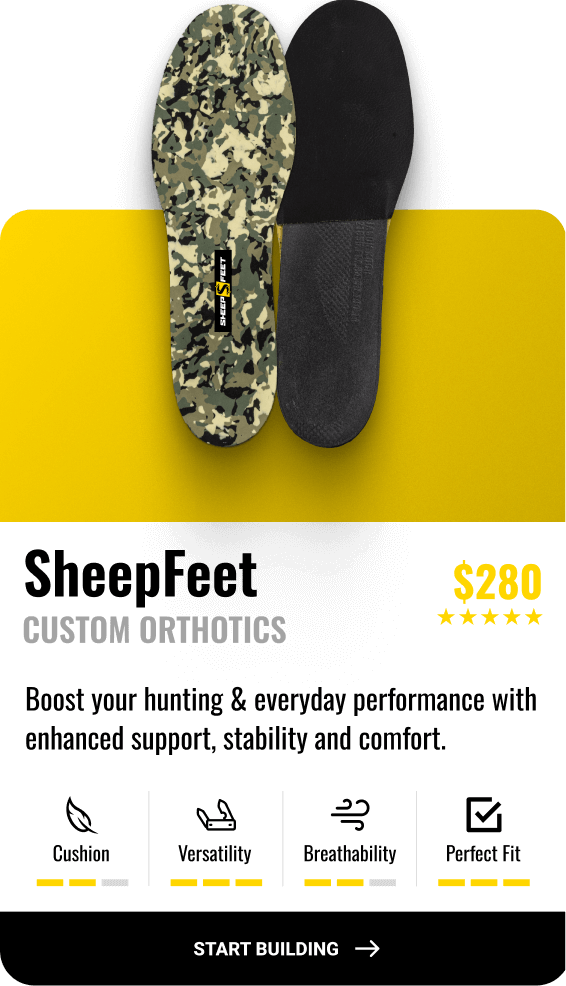
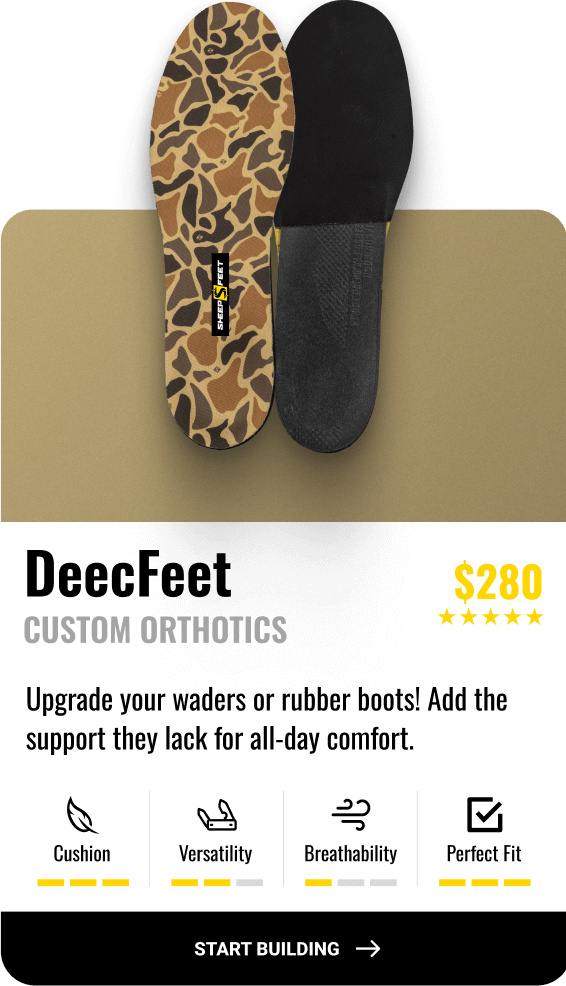
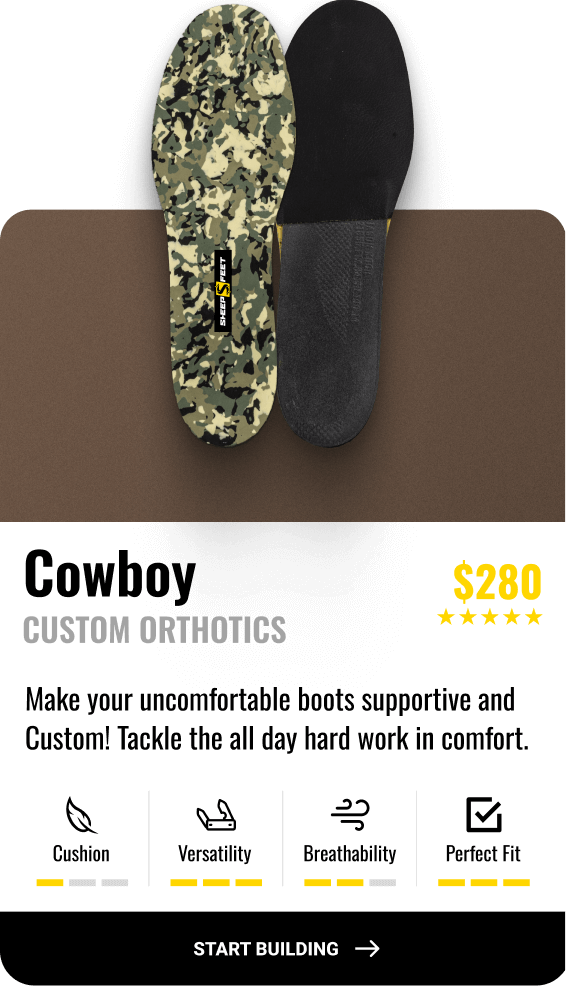
SheepFeet custom orthotics are ordered from home using one of two methods. iPhone users scan their feet using CastDAR technology in the SheepFeet app -- a few minutes, no specialist required. Customers without an iPhone use the SheepFeet Impression Kit, which ships with everything needed to create an accurate foot mold at home. Finished orthotics ship to your door and install directly into your clinical shoes by removing the factory insole.
🔗 How the SheepFeet Fitting Process Works
🔗 Best Insoles for Nurses Standing 12-Hour Shifts
|
Fix the Structural Cause -- Not Just the Symptom SheepFeet custom orthotics are built from a scan of your specific foot. No appointment required. Order from home, ships to your door. $280, lasts 3-5 years. |
Daily Protocol for Healthcare Workers Managing Foot Pain
Custom orthotics address the structural root cause. These daily habits support the tissue while it heals and prevent re-injury:
Every Morning Before Your First Step
-
1. Plantar fascia stretch: pull your toes toward your shin, hold 30 seconds, repeat 3 times. Do this before standing from bed.
-
2. Calf stretch: lean against a wall with one foot back, heel flat, hold 30 seconds per side. Tight calves increase plantar fascia tension.
-
3. Check your footwear: if wearing custom orthotics, confirm they are seated correctly before lacing.
During Shifts
-
1. At meal breaks, sit with feet elevated where possible -- even 10 minutes reduces inflammatory fluid accumulation.
-
2. Avoid prolonged static standing during charting: shift your weight, do brief walks, use a footrest if available.
-
3. If acute heel pain increases significantly during a shift, address it the same day -- do not push through escalating pain.
After Every Shift
-
1. Remove clinical shoes immediately. Do not walk barefoot on hard home floors -- change into supportive footwear.
-
2. Elevate feet above heart level for 20 minutes. This is the highest-impact single habit for end-of-shift recovery.
-
3. Perform the morning stretch sequence again before sleeping.
-
4. If active plantar fasciitis: ice the heel for 15 minutes after elevation.
|
💡 The footwear mistake most healthcare workers make at home Wearing supportive clinical shoes all shift, then walking barefoot on a hard kitchen floor for three hours in the evening, partially undoes the structural protection the orthotics provided all day. Your plantar fascia doesn't know you're home. Supportive slippers or low-profile athletic shoes at home -- especially for the first hour after returning -- meaningfully accelerate recovery from active plantar fasciitis. |

Frequently Asked Questions
What causes foot pain in healthcare workers?
Foot pain in healthcare workers is caused by prolonged standing on hard clinical floors without adequate arch support, combined with long shift duration, consecutive shift patterns that prevent tissue recovery, and the structural mismatch between generic insoles and the individual worker's specific foot mechanics. The plantar fascia is overloaded beyond its capacity to recover, producing plantar fasciitis and related conditions.
Do custom orthotics help healthcare workers with foot pain?
Yes. Custom orthotics are the most effective single intervention for clinical foot pain because they address the structural root cause -- the arch support deficit that forces the plantar fascia to overwork. SheepFeet custom orthotics are built from a scan of your specific foot and provide sustained support throughout a full clinical shift.
Is foot pain from standing all day at work normal?
Foot pain from standing all day is common among healthcare workers but it is not inevitable. It is a predictable mechanical response to inadequate structural support that is correctable with proper custom arch support matched to the individual foot.
How do I fix plantar fasciitis as a healthcare worker?
The most effective fix is custom orthotics that address the structural arch support deficit, combined with daily plantar fascia stretching and post-shift elevation. Most healthcare workers see significant improvement within 6-12 weeks of implementing proper custom arch support. At late-stage plantar fasciitis, a podiatric evaluation should come first.
Are custom orthotics covered by insurance for healthcare workers?
Custom orthotics prescribed by a podiatrist are often covered by insurance or reimbursable through HSA and FSA accounts. Check with your HSA or FSA administrator about reimbursement eligibility -- policies vary by plan and employer.
What are the best shoes for healthcare workers with foot pain?
Athletic-style clinical shoes with a firm midsole and removable insole paired with a custom orthotic is the optimal combination. The shoe provides external structure; the custom orthotic provides internal support matched to your specific foot. Both matter for full clinical shift performance.
The Bottom Line
|
BOTTOM LINE Foot pain in healthcare is a structural problem, not a professional hazard. The plantar fascia is overloaded because the insole inside your clinical shoe isn't providing the support your specific foot needs. Custom orthotics fix that. Everything else manages the symptom while the cause continues. |
The healthcare workers who reach the end of long careers without chronic foot conditions aren't the ones with the highest pain tolerance. They're the ones who recognized foot pain as a solvable structural problem early enough to solve it -- before it compounded into plantar fasciitis, knee pain, and the secondary conditions that follow.
The fix takes ten minutes from your phone. The career benefit lasts decades.
Fix the Structural Cause — Not Just the Symptom
SheepFeet custom orthotics are built from a scan of your specific foot. No appointment required. Order from home, ships to your door. $280, lasts 3–5 years.
SHOP SHEEPFEET CUSTOM ORTHOTICS →

